Why You Can't Stop Stress Eating at Night (And Why Willpower Isn't the Answer)
I remember the first time I really understood this. I had just finished a long day of client calls, and by 9 PM I was standing in front of my pantry, staring at a bag of tortilla chips. I wasn't hungry. I was exhausted, wired, and my brain was screaming for something to chew on. That night, I ate half the bag, felt terrible, and then lay awake with a churning stomach. Sound familiar?
If you've been searching for how to stop stress eating at night, you've probably tried the usual advice: deep breathing, healthy snacks, yoga. But what nobody tells you is that the reason you're raiding the fridge after dark isn't just a lack of willpower. It's your biology. Your circadian rhythm, the master clock that governs your sleep-wake cycle, is directly linked to your stress hormones and hunger signals. Disrupt that clock, and you get a perfect storm: a cortisol spike at night, a surge of the hunger hormone ghrelin, and a depleted decision-making brain that can't say no.
In this article, I'm going to walk you through a three-step evening protocol I've used with clients and on myself. It's not about white-knuckling through cravings. It's about resetting your body clock so the cravings don't show up in the first place.
Your Body Clock Is the Hidden Driver of Nighttime Stress Eating
Most people think stress eating is purely emotional. You feel anxious, you reach for comfort food. But there's a deeper layer most people don't realize: your circadian rhythm has a direct impact on when you feel hungry and when you feel stressed. The body is designed to produce cortisol (your primary stress hormone) in a morning peak to help you wake up, and then drop it low at night so you can sleep. When you're chronically stressed or your sleep schedule is erratic, that pattern flips. Cortisol stays elevated into the evening, which triggers ghrelin release and increases cravings for calorie-dense, high-carb foods.
Meanwhile, the part of your brain responsible for impulse control, the prefrontal cortex, is running on fumes after a day of making decisions. This is called decision fatigue. By 9 PM, you've made hundreds of choices, and your brain is looking for the easiest path. That path is often food, especially if it's a quick, rewarding snack. Combine that with a biological hunger signal, and you have a recipe for late-night binges.
It's not just willpower. It's a biological system that's out of sync. The good news is that you can fix it.
The 3-Step Evening Protocol: Reset Your Body Clock
I've broken this down into three concrete steps that target the circadian disruption, the blood sugar roller coaster, and the emotional craving loop. Each step is backed by real-world experience and a bit of science.
Step 1: Dim the Lights 90 Minutes Before Bed
Light is the most powerful signal for your body clock. Bright light, especially blue light from screens, tells your brain it's still daytime. This delays the release of melatonin, the hormone that prepares you for sleep. When melatonin is suppressed, your cortisol stays higher, and your hunger signals stay active.
Here's what I do, and what I recommend to clients: at least 90 minutes before your target bedtime, switch to dim, warm-toned lighting. Red bulbs or a salt lamp work well. Put your phone on night mode or better yet, leave it in another room. The goal is to create a visual environment that says, "It's evening, time to wind down."
I made a mistake early on: I dimmed the lights but still watched TV on my laptop. The blue light from the screen was enough to keep my cortisol elevated. Once I switched to an audiobook or a non-screen activity, the cravings started to fade. It took about four nights before I noticed the difference.
Key takeaway: Light is the master switch. Dimming 90 minutes before bed is more effective than any relaxation technique if your circadian rhythm is broken.
Step 2: Eat a Protein-Rich Dinner to Stabilize Blood Sugar
Blood sugar dips are a major trigger for stress eating. If your dinner is heavy on carbohydrates and low on protein, your blood sugar will spike and then crash a few hours later, right around the time you're sitting on the couch. That crash signals your brain to release ghrelin, and you start craving sugar or starch.
I aim for at least 20-30 grams of protein at dinner. That could be a 4-ounce chicken breast, a can of salmon, or a generous scoop of tofu. Pair it with healthy fats and fiber-rich vegetables to slow digestion. As we covered in our Beginner Guide to Simple Mindful Eating, paying attention to the composition of your meal can make a huge difference in how you feel later.
One thing nobody tells you: if you skip breakfast or lunch, you're more likely to overeat at night. Your body goes into a starvation-alert mode, and even if you eat a reasonable dinner, the ghrelin surge will persist. So don't skimp on daytime meals. That's a common pitfall.
Step 3: Create a Non-Food Comfort Menu
Even with the right biology and blood sugar, you might still feel the urge to eat because of habit or emotional comfort. This is where a non-food comfort menu comes in. I keep a list of five things I can do instead of eating. They're not generic like "take a bath" (though that can work). They're specific sensory hacks that I've tested.
- Use a weighted blanket for 10 minutes. The deep pressure stimulation lowers cortisol.
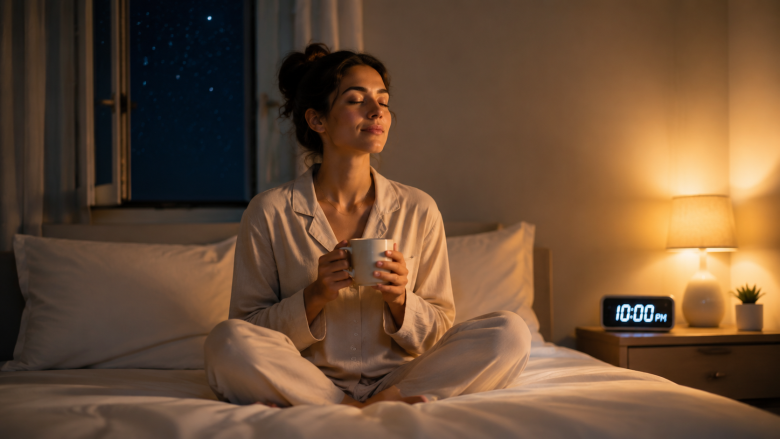
- Drink a warm herbal tea (like chamomile or peppermint) from a mug that feels good in your hands. The ritual matters.
- Do box breathing: inhale for 4 seconds, hold for 4, exhale for 4, hold for 4. Repeat 5 times.
- Listen to a 5-minute guided sleep meditation. I use a free app, no affiliate.
- Rub a drop of lavender oil on my wrists. The scent signals the limbic system to calm down.
Most people try to fight the craving directly. That's exhausting. Instead, I replace the action. If you can give yourself a 10-minute distraction, the urge often passes. The key is to have the menu ready before you get hungry. Pre-decision is your best friend.
How to Stop Stress Hunger vs. Real Hunger
One of the most common questions is "how to stop stress hunger?" The answer starts with distinguishing two types of hunger. Real hunger builds gradually, comes from the stomach (growling, empty feeling), and is satisfied by any food. Stress hunger is sudden, comes from the head (a specific craving for chocolate or chips), and feels urgent.
When you feel a hunger pang at night, ask yourself: when did I last eat? If it's been less than 3 hours after a balanced dinner, it's likely psychological or circadian-driven. That's when you use the non-food comfort menu. If it's been 4+ hours and you genuinely feel an empty stomach, you might need a small, protein-rich snack like a handful of almonds or a piece of cheese. But if you're stress eating, you'll eat past fullness.
For a deeper dive on mindful eating techniques, check out our Beginner's Guide to Mindful Eating Simple Steps.
Can Stress Make You Hungry? Yes, and Here's How
Short answer: yes. Stress triggers the release of cortisol, which increases appetite. In the short term, cortisol also diverts energy away from digestion and into muscles for fight-or-flight. But when stress is chronic, the body adapts by increasing hunger signals, especially for high-energy foods. This is an evolutionary holdover: when you're under threat, you need fuel. But in modern life, the threat is a deadline, not a predator, and the fuel is a bag of chips.
There's also a connection between stress and insulin. Cortisol can cause insulin resistance, meaning your cells don't take up glucose as efficiently. Your blood sugar stays high, then crashes, which triggers more hunger. This is why you can feel both stressed and hungry at the same time.
If you're asking "can stress make you hungry?", the answer is absolutely, but it's not a simple relationship. Some people lose their appetite under acute stress (the fight-or-flight response suppresses hunger), then overeat later when the stress subsides. Others eat during the stress. The key is knowing your pattern.
Why Am I Stress Eating at Night Specifically?
This is the question I hear most often. The answer is a combination of three factors: circadian rhythm disruption, decision fatigue, and emotional association. Nighttime is when you're alone with your thoughts. The day's demands are over, but your mind is still racing. You've used up your willpower at work, so your brain seeks immediate reward. And if you've trained yourself to eat while watching TV or scrolling, the habit loop is strong.
Another factor is that many people skip dinner or eat a light dinner because they're trying to diet, which sets up the perfect conditions for a late-night binge. As we discussed in Helpful Tips for Light Healthy Eating Beginners, it's better to eat a satisfying dinner than to starve yourself and then overeat later.
One thing I've noticed in my own practice: if I've had a stressful day, my cortisol doesn't drop until I actively wind down. The first step is always to acknowledge the stress, not to ignore it. Saying out loud, "I'm stressed and that's why I want to eat," can break the automatic response.
How to Resist the Urge to Eat at Night
Resisting the urge is not about gritting your teeth. It's about creating a different environment. Here are practical tactics that work:
- Change your setting: If you usually eat in the living room, go to the bedroom or sit at a different chair. The brain associates location with behavior.
- Brush your teeth early: The minty freshness signals that eating time is over.
- Drink a full glass of water: Thirst can mimic hunger, especially at night.
- Do a 2-minute cold exposure: Splash cold water on your face or run your wrists under cold water. It activates the mammalian dive reflex and calms the nervous system.
- Engage in a low-effort hobby: Knitting, coloring, or even folding laundry can keep your hands busy without eating.
If you've tried everything and still find yourself in the kitchen, don't beat yourself up. Stress eating once is not a failure. The goal is to reduce the frequency, not achieve perfection.
When Night Eating Becomes a Disorder: Getting Help
It's important to distinguish between common stress eating and clinical night eating syndrome (NES). NES is a recognized eating disorder characterized by eating a significant portion of daily calories after the evening meal, often with a lack of control, and it's associated with sleep disturbances. People with NES often have trouble falling asleep and wake up to eat. They also typically have little to no appetite in the morning.
If you find yourself eating large amounts at night, waking up to eat, or feeling significant distress about your eating habits, it's worth consulting a healthcare professional or a registered dietitian. The strategies in this article are designed for situational stress eating, not for a clinical disorder. As we discussed in 10 Practical Tips to Ease Daily Stress at Home, creating a calm environment is foundational, but sometimes professional support is needed.
Putting It All Together: A Sample Wind-Down Routine
To make this actionable, here's a sample routine that incorporates the 3-step protocol:
- 7:00 PM: Finish dinner with at least 20g protein and vegetables.
- 7:30 PM: Dim the lights. Turn off overhead lights, switch to a warm lamp or salt lamp. Put phone on grayscale mode.
- 8:00 PM: Do a non-screen activity: read a physical book, listen to a podcast, or do a gentle yoga stretch.
- 8:30 PM: Prepare a warm herbal tea. If you feel a craving, use the non-food comfort menu (weighted blanket, breathwork, etc.).
- 9:00 PM: Brush teeth, wash face, get into bed in a cool room (65-68°F).
- 9:30 PM: Lights out. Aim for 7-8 hours of sleep.
This routine takes about 2.5 hours total. It's not meant to be rigid, but it gives you a structure. After a few nights, your body will start to anticipate the wind-down, and your cortisol will drop earlier, reducing the urge to eat.
One final note: if you have a night where you slip up, don't spiral. The next night, just start the routine again. The circadian system is resilient. It takes about 3-5 days of consistent light and meal timing to see a shift. That's the thing nobody tells you: it's not about one perfect night. It's about the trend.
Now go dim those lights. Your body clock will thank you.