Why Your Evening Snack Might Be Sabotaging Your Sleep
I learned this the hard way. A few years ago, I was struggling with waking up at 3 a.m. every night, wide awake, heart racing. I tried blackout curtains, white noise machines, and even a strict wind-down routine. Nothing worked until I looked at my plate. The culprit? A bowl of dark chocolate almond ice cream I ate around 9 p.m. Most people don't realize that hidden caffeine and theobromine in chocolate can linger in your system for hours, disrupting deep sleep. If you want better sleep, the first step isn't adding more sleep aids-it's cutting the wrong foods at the wrong times.
This guide is different from the standard list of 'avoid caffeine and alcohol.' Instead, I'll give you a practical system I call the Sleep Timing System: a decision tree for what to eat and when, based on how long before bed you eat each category. You'll also get a hidden triggers checklist and a swap chart to replace the worst offenders with sleep-friendly alternatives. By the end, you'll know exactly what to avoid, why, and what to eat instead for uninterrupted sleep.
The Timing Rule You Need to Know
Before we dive into the specific foods, understand this: timing is everything. Your body's digestive system slows down as you prepare for sleep, and certain foods take longer to process. The general rule is to stop eating 2-3 hours before bed. But not all foods are equal. Some need 6 hours to clear your system, while others can be eaten within an hour of bedtime without issue.
Here's the breakdown by time window, based on my experience and research from sources like the National Center for Biotechnology Information:
- 6+ hours before bed: Heavy, fatty, high-protein meals (steak, fried foods, creamy sauces). These can take 4-6 hours to digest and can cause acid reflux or indigestion that keeps you awake.
- 4-6 hours before bed: Caffeine (coffee, black tea, energy drinks). Caffeine has a half-life of 5-6 hours in most people, meaning half of it is still active when you try to sleep.
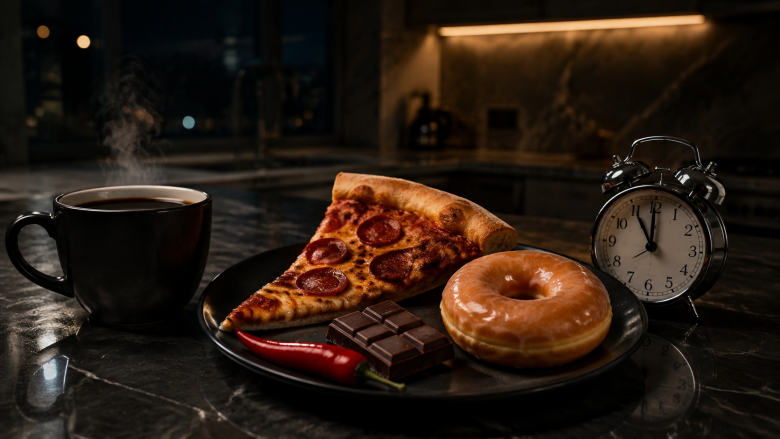
- 2-4 hours before bed: Spicy foods, acidic foods (citrus, tomatoes), alcohol, and high-sugar foods. These can trigger heartburn, blood sugar spikes, and restless sleep.
- 1-2 hours before bed: Aged cheeses, cured meats, and dark chocolate. These contain tyramine or hidden caffeine that can stimulate adrenaline production.
- 0-1 hour before bed: Only small, sleep-promoting snacks like a banana or a handful of almonds (see swap chart below).
One thing nobody tells you: individual sensitivity matters. Some people can drink coffee after dinner and sleep fine. Others react to a small amount of dark chocolate. If you struggle with sleep, start with the 4-hour rule for all categories, then test reducing the window for specific foods. For a deeper dive on building a consistent schedule, check out our guide on How to Build Better Sleep Habits Step by Step.
Hidden Triggers: Foods You Didn't Expect to Ruin Sleep
Most articles mention the obvious offenders: coffee, spicy wings, and a heavy steak dinner. But I've found that people often overlook the subtle sleep saboteurs. Here are the hidden triggers that can quietly steal your rest:
Dark Chocolate (Yes, Even the 'Healthy' Kind)
Dark chocolate contains both caffeine and theobromine, a stimulant that can increase heart rate and alertness. A 70% cocoa bar has about 25 mg of caffeine per ounce-similar to a cup of decaf coffee. But theobromine has a longer half-life (7-12 hours) and can stay in your system for hours. If you eat a couple of squares after dinner, you might not notice the jolt, but you'll wake up at 2 a.m. with a racing mind. I've seen this happen to clients who switched to 'healthy' dark chocolate for antioxidants. Best swap: white chocolate or carob-both caffeine-free.
Aged Cheeses and Cured Meats
Hard cheeses like Parmesan, cheddar, and aged Gouda contain high levels of tyramine, an amino acid that triggers the release of norepinephrine-a stress hormone that keeps you alert. Cured meats like salami, pepperoni, and prosciutto are also high in tyramine. The effect is worse if you're sensitive to histamines or have a condition like HIT (histamine intolerance). If you love cheese, choose fresh options like mozzarella, ricotta, or cottage cheese, which are low in tyramine. For a satisfying savory snack before bed, try cottage cheese with a few berries-it's a personal favorite I recommend to clients.
Citrus Fruits and Acidic Beverages
Oranges, grapefruit, lemon water, and even some fruit juices can trigger acid reflux or heartburn when you lie down. The acid relaxes the lower esophageal sphincter, allowing stomach contents to splash back up. This can cause a burning sensation that wakes you up, or you might not even notice it but still experience disrupted sleep due to micro-aspirations. If you want fruit before bed, stick to low-acid options like bananas, melons, or pears. And skip the lemon water-it's often touted as a healthy habit, but drink it earlier in the day.
Mint and Spicy Teas
Peppermint and spearmint tea are often recommended for relaxation, but they can actually relax the esophageal sphincter too much, worsening acid reflux. Similarly, ginger tea, while good for digestion, can be too stimulating for some people. My rule: if you want a warm bedtime drink, try chamomile, lavender, or a non-caffeinated rooibos blend. You can also check out our article on evening journaling as a non-food way to wind down.
The 5 Foods You Should Never Eat Within 3 Hours of Bed
These are the biggest offenders. Avoid them in the evening, and you'll notice a difference in how fast you fall asleep and how deep your sleep is.
- Spicy foods (chili, hot sauce, curry): Capsaicin raises body temperature and can cause heartburn. Even if you don't feel heartburn, it can increase wakefulness during REM sleep.
- High-fat, greasy foods (pizza, fried chicken, burgers): Fat slows digestion, which can cause discomfort and blood sugar fluctuations. A study in the Journal of Clinical Sleep Medicine found that high-fat meals reduce slow-wave sleep.
- Alcohol (even a glass of wine): Despite the common belief that alcohol helps you sleep, it actually fragments sleep, reduces REM, and acts as a diuretic. You'll fall asleep faster but wake up more often.
- High-sugar desserts (cake, cookies, candy): Simple sugars cause a rapid spike in blood sugar, followed by a crash that triggers the release of cortisol and adrenaline. This can disrupt sleep about 3-4 hours after you eat it.
- Large amounts of fluids (especially caffeinated or acidic): Drinking too much before bed leads to nocturnal awakenings for bathroom trips. Limit fluids to 4-6 ounces in the last hour.
What about protein? Many people eat a high-protein snack like Greek yogurt or a protein shake before bed, thinking it stabilizes blood sugar. But heavy protein (like a whey shake) can be hard to digest and may cause an insulin spike. If you need protein, choose a small portion of casein-rich foods like cottage cheese-it's slow-digesting and contains tryptophan, which helps sleep.
What to Eat Instead: The Sleep Swap Chart
Instead of just listing what to avoid, here's a practical swap chart that answers the People Also Ask questions like 'What are the 7 best foods to eat before bed?' and 'What can I eat before bed for better sleep?' The chart is based on foods that contain tryptophan, magnesium, melatonin, or complex carbohydrates that promote sleep.
| Avoid This | Swap For This | Why It Works |
|---|---|---|
| Aged cheese (Parmesan, cheddar) | Cottage cheese or fresh mozzarella | Low in tyramine; contains tryptophan |
| Dark chocolate | White chocolate or carob | No caffeine or theobromine |
| Orange juice or lemon water | Chamomile tea or warm milk | Low acid; contains melatonin precursors |
| Ice cream (high in sugar) | Frozen banana 'nice' cream | Natural sugar, potassium, magnesium |
| Spicy chips or nachos | Plain popcorn or almonds | Low fat, complex carbs, magnesium |
| Coffee or black tea | Decaf herbal tea (valerian, lavender) | No caffeine; promotes relaxation |
| Protein bar or shake | Small bowl of oatmeal with banana | Complex carbs boost tryptophan uptake |
One of my favorite bedtime snacks is a small bowl of cherries (fresh or frozen). Cherries are a natural source of melatonin, and they're low in acid. Tart cherry juice, in particular, has been shown in studies to improve sleep duration and quality. Another option is a handful of pumpkin seeds, which are rich in magnesium and zinc-both linked to deeper sleep.
How to Personalize: Are You Histamine Sensitive?
This is the missing piece in most sleep nutrition articles. Many people react to foods that are high in histamine, which can cause insomnia, anxiety, or waking up with a stuffy nose or hives. Histamine is a neurotransmitter that promotes wakefulness, and it's found in foods that are fermented, aged, or cured. Common histamine-rich foods include aged cheeses, cured meats, fermented vegetables (sauerkraut, kimchi), vinegar, pickles, and alcohol (especially red wine). If you have a history of allergies, asthma, or digestive issues, you might be sensitive to histamine. For example, I discovered that eating a small amount of aged Parmesan at a dinner party led to a night of tossing and turning. If you suspect histamine intolerance, try an elimination diet for two weeks, avoiding all high-histamine foods in the evening, and see if your sleep improves.
Another personalized factor: blood sugar regulation. If you're prone to nighttime hypoglycemia (low blood sugar), you might wake up with a racing heart or anxiety. In that case, a small snack with complex carbs and a little protein (like half a banana with almond butter) can help stabilize your blood sugar through the night. But if you have diabetes or metabolic syndrome, large carb-heavy snacks before bed can spike glucose and trigger awakenings. There's no one-size-fits-all-you need to experiment. That's why the Sleep Timing System is a decision tree, not a rigid list.
What About 'Sleepy' Foods Like Turkey and Warm Milk?
Let's address a common misconception: turkey contains tryptophan, but it's not the magic sleep-inducer people think. Tryptophan needs to be accompanied by carbohydrates to cross the blood-brain barrier effectively. So a turkey sandwich on whole-grain bread is more sleep-promoting than a plain turkey breast. Similarly, warm milk contains tryptophan and calcium, which helps the brain use tryptophan to produce melatonin. But milk alone isn't a strong sleep aid-it's more about the ritual of a warm drink and the slight rise in blood sugar that helps you relax.
If you're looking for the '7 best foods to eat before bed for uninterrupted sleep,' here's a shortlist that combines evidence and practicality:
- A small banana
- A handful of almonds
- Plain low-fat yogurt or cottage cheese
- Oatmeal (made with water or milk, not sugar-loaded instant packets)
- Tart cherry juice (4 ounces)
- Kiwi fruit (1-2 kiwis, eaten about an hour before bed)
- Pumpkin seeds (a tablespoon)
Kiwi is particularly interesting-a study in the Asia Pacific Journal of Clinical Nutrition found that eating two kiwis one hour before bed led to significant improvements in sleep onset, duration, and quality. The exact mechanism isn't clear, but it may be due to the combination of serotonin, antioxidants, and folate.
Common Mistakes People Make When Trying to Eat for Sleep
Even with the right foods, timing can backfire. Here are three mistakes I've seen (and made myself):
Mistake 1: Eating a large 'sleepy' snack too close to bed. Even if you eat a banana and almonds, if you eat a bowl of oatmeal with honey and milk an hour before bed, you might still feel full and uncomfortable. Keep snacks small-under 200 calories. The goal is to take the edge off hunger, not to fill your stomach.
Mistake 2: Ignoring the overall meal timing. If you eat a big dinner at 8 p.m. and then a 'sleepy' snack at 10 p.m., you're overloading your digestive system. Instead, aim to eat dinner earlier (6-7 p.m.) and then have a small snack if needed about 30-60 minutes before bed. This way, your body has time to process the main meal.
Mistake 3: Relying on supplements without checking food interactions. Melatonin supplements are popular, but they can interact with foods that contain tryptophan or caffeine. And they can cause vivid dreams or next-day grogginess. I've found that food-based sleep aids are more sustainable and have fewer side effects. For a more comprehensive approach to sleep, including environment and habits, see our guide on creating a calming bedroom setup.
Putting It All Together: Your Evening Food Decision Tree
Here's a practical framework you can use tonight. It's based on how many hours until you plan to sleep.
- If you have 4+ hours until bed: You can eat a normal dinner. Avoid heavy fats and large portions. Have a small portion of protein, vegetables, and complex carbs. Example: grilled chicken, roasted sweet potato, and steamed broccoli.
- If you have 2-4 hours until bed: Avoid spicy, acidic, and high-sugar foods. Stick to a light meal like a salad with lean protein, or a bowl of soup. No alcohol.
- If you have 1-2 hours until bed: Only eat a small snack (under 200 calories). Choose from the swap chart above. Avoid any hidden triggers like dark chocolate or aged cheese.
- If you have less than 1 hour until bed: Only drink a small amount of water or herbal tea. No solid food unless you're truly hungry-then have half a banana or a few almonds.
Remember, the goal is to avoid the 'what not to eat before bed to sleep' list, but also to actively choose sleep-promoting foods. The 5 foods that will help you sleep through the night, according to the evidence, are: tart cherries, kiwi, bananas, almonds, and oatmeal. Combine them with the right timing, and you'll likely see a difference within a week.
One final note: don't stress about perfection. If you slip up and eat a bowl of ice cream at 10 p.m., it's not the end of the world. Pay attention to how you feel the next day. Your own body is the best guide. Use the Sleep Timing System as a tool, not a rulebook. Over time, you'll learn what works for your unique biology. And if you're also working on other sleep habits, remember that nutrition is just one piece of the puzzle. Pair it with a consistent wind-down routine, a cool dark room, and a regular sleep schedule, and you'll be well on your way to restful nights.