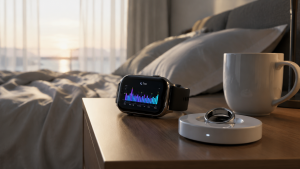
I remember those evenings when my phone's glow became my unintended nightlight, pulling me into one more scroll while my eyelids grew heavy. Mornings after felt foggy, like carrying yesterday's unfinished thoughts into the day's start. Over time, small shifts helped me step away, inviting a steadier calm before sleep. It wasn't about strict rules, but gentle nudges toward rest. Now, those quiet evenings feel like a soft landing.
The pull of devices often sneaks in during simple moments, like wiping down the kitchen counter after dinner. One quick check turns into endless feeds, leaving my mind buzzing long after the screen dims. That restless hum made falling asleep feel like chasing a distant calm.
The Evening Scroll That Steals Tomorrow's Calm
Picture this: it's 8 PM, and I'm finally done with the day's chores. I pick up my phone to set tomorrow's reminder, but suddenly I'm deep in a friend's vacation photos or a news thread that sparks scattered thoughts. By 10 PM, my eyes ache, yet my brain races, replaying snippets from nowhere.
This evening scroll steals tomorrow's calm in quiet ways. The blue light tricks our eyes into wakefulness, much like staring at a bright sunset that lingers too long. Meanwhile, the mental buzz from notifications keeps worries looping, turning bedtime into a restless wait.
I noticed it most on weeknights, when fatigue should signal rest but devices hijacked the wind-down. One night, after scrolling through recipes I wouldn't cook, I lay awake feeling scattered. It was a reminder that small habits shape our nights more than we think.
Everyday examples pile up: laughing at a video during laundry fold, only to feel tired but wired later. Or checking emails "just in case," stirring work echoes into quiet hours. These traps feel harmless alone, but together they erode steady sleep.
Restlessness builds subtly, leaving mornings where coffee barely clears the fog. I found my patience thinner, like a thread frayed from late-night pulls. Recognizing this pattern was the first step toward evenings that truly unwind.
What Helped Me (and Might Help You) Release the Grip
Swapping my phone for a warm herbal tea ritual brought the first real ease. Steeping chamomile while listening to soft rain sounds shifted my focus from screens to senses. It felt like giving my evening a gentle anchor.
Another shift was dimming lights early and picking up a paperback novel. No bright e-reader glare—just pages that invited slow reading. This simple swap quieted the mental chatter without much effort.
I also tried brief stretches to release the day's hold on my body. Gentle moves, like those in How to Do Chair Stretches for Office Desk Breaks, worked even from the couch. They eased tension, making rest feel closer.
Short lists helped too: jotting three things I'm grateful for before bed. This tiny practice turned scattered thoughts into steady ones. These realistic swaps built calm over time, fitting busy evenings without overwhelm.
Four Steady Steps to Ease Into Your Device-Free Evenings
These steps grew from my own trial-and-error nights. They're straightforward, meant for real life, not perfection. Each one builds on noticing and nudging, creating space for rest.
- Step 1: Spot Your Evening Pull
Tune into when the device urge hits strongest, like that post-dinner slump around 8 PM. For me, it was during couch settling after kids' bedtime. Tracking it for two evenings revealed patterns without judgment.
- Keep a bedside note: time and feeling (restless? bored?).
- Ask: What triggered the reach? Habit or true need?
- No phone apps for this—pen and paper stay simple.
- Step 2: Set a Kindred Cutoff Hour
Choose a soft time, say 9 PM, to charge devices in another room. I started with 30 minutes before my usual bedtime, making it kind, not rigid. It created a clear boundary without cold turkey shock.
Prep by plugging in early, like during tea brewing. This ritual signaled wind-down to my body. Over days, it became a steady cue.
- Use a drawer or basket away from bed.
- Adjust as needed—listen to your rhythm.
- Pair with a dim lamp for cozy transition.
- Step 3: Gather Gentle Replacements
Fill the gap with calm anchors that engage without screens. I reached for books, soft music, or even a drop of lavender from tips in How to Use Essential Oils for Instant Calm. These invited presence over distraction.
During one reset weekend, light snacks like nuts steadied hunger pulls, inspired by How to Choose Energizing Light Snacks for Daytime but gentled for evenings. Simple choices like herbal tea or folding a blanket worked wonders too.
- Stock bedside: journal, book, cozy socks.
- Try audio stories if reading tires eyes.
- One deep breath between activities slows the pace.
- Step 4: Seal the Night with Reflection
End with a brief note: one grateful moment from the day. I scribbled "warm tea steam" after tough evenings—it grounded me. This seals calm, easing into sleep.
Keep it short, under a minute. Over time, it quiets the day's echoes naturally.
- Use same notebook from Step 1.
- If mind wanders, return to breath.
- Celebrate the effort, not flawlessness.
Crafting a Bedroom That Whispers 'Rest Here'
A bedroom tuned for rest starts with low-effort tweaks. I swapped my phone charger for a bedside clock, keeping the space device-free. Dim bulbs cast a soft glow, like evening twilight indoors.
Books stacked by the lamp invited lazy reading, not scrolling. A light blanket and open window let cool air signal unwind. These touches made the room feel like a haven.
Avoid clutter—clear nightstand to just essentials. One plant or photo adds warmth without fuss. Evenings here began feeling protective, nurturing steady rest.
I tried heavier curtains on restless nights, blocking street light leaks. Small changes like these whisper rest without buying gear. The space supports the unplugging naturally.
Your Gentle Experiment: Phone-Free Hours for a Week
Try this: no devices 60 minutes before your usual bedtime, for five days. Use a notebook to note how your body feels—calmer breath? Easier fade to sleep? I did this during a busy week and noticed eyelids heavier sooner.
Start small if 60 feels much; 30 minutes builds the same habit. Track one word per night: "steady" or "light." It reveals patterns gently.
My trial showed weekends easiest, weekdays took nudges. Yet by day five, evenings flowed smoother. What one calm feeling might you notice? Jot it tonight and see.
Questions from Nights Like Yours
What's a realistic time to start unplugging?
Listen to your natural rhythm—even 30 minutes before bed helps build steadiness over time. I aimed for 9 PM on weeknights, adjusting for late dinners. It fits without forcing early sleep.
What if I need my phone for an alarm?
A simple bedside clock keeps the bed sacred and screen-free. I found old-school ones reliable, with a soft glow option. This small swap freed my phone to another room fully.
How do I handle FOMO during wind-down?
FOMO eases with one breath at a time—remind yourself tomorrow waits patiently. During my first tries, I whispered "enough for now" and reached for tea instead. The worry faded as calm grew.
Can kids' devices affect my routine?
Yes, but shared cues like a family charger basket create calm together. We placed ours in the living room, turning it into a fun ritual. It rippled steadiness to everyone.
What if I slip up one night?
Kindness over perfection—notice the slip and gently return to your ritual next evening. I had scroll nights early on, but mornings after reinforced the calm gains. Each fresh night invites restart.