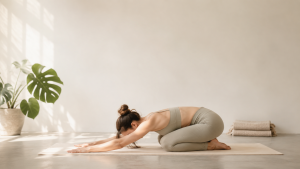
Last Tuesday evening, after a day that left me feeling scattered, I dimmed the lights in my living room and just sat with a cup of tea. That small shift reminded me how home can be a quiet harbor when everything else feels restless. If you're new to this, let's ease into ways to invite calm without big changes or extra stuff.
Table decision: No - Topic is introductory guide to building relaxation habits, better suited to sequential steps than comparisons or lists.
Chosen structured block: steps
Softening Your Surroundings: A Few Touches for Instant Calm
I once rearranged a single corner of my kitchen table, pushing aside papers and adding a soft throw blanket. It took two minutes, but suddenly the space felt less cluttered and more inviting. Small touches like that can shift the air in your home without much effort.
Think about pillows or a plant near where you sit most evenings. I noticed how a low windowsill plant caught the fading light, drawing my eye to something steady. These aren't about perfection; they're gentle nudges toward calm.
When considering how to create a calming bedroom setup for better sleep, the same idea applies here—start with what's already in your living area. A dim lamp or draped scarf over a lamp shade softens harsh light. It helped me unwind after busy days.
One weekend, I fluffed couch cushions and set a glass of water nearby. Sitting there felt like stepping into a quieter version of my day. Your home holds these simple tools; they just need a little attention.
Tuning Inward: Breath as Your Steady Anchor
During a restless afternoon last week, I paused by the window and focused on my breath. In through the nose, out through the mouth, letting thoughts drift like leaves on a stream. It moved me from scattered to steady in moments.
Breath is always with you, no gear required. I found it especially helpful when evening chores piled up. Try noticing the rise and fall of your chest—soft, without force.
One tip from my routine: count to four on the inhale, six on the exhale. It creates a rhythm that quiets the inner chatter. Over time, this became my go-to for short resets.
If your mind pulls away, that's fine. Gently return to the breath, like welcoming back an old friend. This practice builds a sense of steadiness right where you stand.
4 Steps to Your First 10-Minute Home Relaxation Session
These steps came together one quiet morning when I needed a break from the week's rush. They're straightforward, using your home as the backdrop. Follow them in order for a gentle 10-minute flow.
-
Step 1: Pick your spot
Choose a chair, the floor by your bed, or a patch of rug—somewhere already comfortable and familiar. Avoid spots tied to work or screens. I like my reading chair because it holds memories of calmer moments.
- Clear any small clutter nearby, like a stray mug.
- Adjust light to soft if possible.
-
Step 2: Settle your body
Let your shoulders drop away from your ears. Rest hands on your lap or thighs, palms open. Wiggle toes if they feel tight, easing into the surface beneath you.
- Close eyes lightly or soften your gaze.
- Sigh out any held tension.
This grounds you before moving deeper.
-
Step 3: Breathe with intention
Inhale for a count of four, feeling your belly expand. Exhale for six, letting go slowly. Notice the pause between—cool air in, warm air out.
- Repeat five times, no rush.
- If thoughts wander, note them and return.
The rhythm often brings a wave of calm.
-
Step 4: End with gratitude
Recall one small calm feeling, like steady breath or soft light. Whisper or think thanks for it. Open your eyes slowly, carrying that quiet forward.
- Stand or shift gently.
- Note how your body feels now.
This seals the session softly.
Together, these build a habit that fits busy days. I return to them often, tweaking as needed.
Movement That Feels Like a Hug: Gentle Body Settles
After sitting too long at my desk, I tried slow arm circles in the hallway. It was like a warm hug for stiff shoulders, loosening without strain. Movement like this eases tiredness gently.
Walk slowly around your living room, rolling ankles with each step. Or stand and sway side to side, hands on hips. I do this during weekend resets when the house feels still.
No need for space or mats—just your body and floor. One evening, a five-minute neck tilt sequence melted away the day's hold. It pairs well with breath for deeper calm.
Listen to what feels good; maybe seated leg lifts if standing tires you. These settles invite steadiness through simple motion.
What Helped Me, What Might Help You
Evening wind-downs shifted things for me—dimming lights and sipping herbal tea by the window. It created a buffer from the day's noise. Simple, repeatable changes like that built calm over time.
I found stacking two practices, like breath then a short walk, eased restlessness better than one alone. During a tough week, this duo steadied my mood noticeably.
What might help you starts small: notice when you feel most scattered and try one touch there. A friend shared how rearranging her nightstand brought quiet mornings. Your version waits in daily rhythms.
Consistency without pressure was key for me. A few minutes most days layered into steady calm. See what resonates in your home.
Layering in Little Rituals: Building Without Overwhelm
Start with breath, then add a gratitude note—short lists keep it light. I jot one line before bed, tying into how to end your day with simple gratitude practice. It softens the transition to rest.
Mindset shifts help too: view home as your calm base, not just chores. Pair a stretch with tea time. These rituals stack naturally.
Consider light eating habits, like helpful tips for light healthy eating beginners, to support steady energy. A piece of fruit mid-afternoon keeps things even. No big overhauls, just gentle adds.
Over a month, three rituals emerged for me: breath, movement, thanks. They fit without crowding my schedule. Build yours one layer at a time.
Gentle Experiment: One Small Thing for a Week
Try five minutes of the breath anchor before bed each night for seven days. Use your chosen spot, no more. Notice how it feels by week's end.
I did this during a restless stretch and felt evenings settle deeper. What small shift might you notice? Jot one word daily to track gently.
Afterward, reflect: How did those moments land for you? Pick one to keep or tweak—your calm builds from there.
FAQ
I feel too restless to start—where do I begin?
Start with just noticing your breath for one minute right where you are; it often softens the edges without force. Even standing at the sink works. Build from that tiny anchor as restlessness eases.
Do I need special items like candles or apps?
No, your home as-is works fine—use what's there, like a favorite chair or window view. Apps can distract from the quiet within. Everyday spots invite calm naturally.
How often should I practice to notice calm?
A few minutes most days builds a steady feel over time; no rush, just gentle consistency fits busy lives. Some days less is plenty. Let it unfold at your pace.
What if my mind wanders during relaxation?
That's normal and expected—gently guide it back, like calling a friend back to the conversation. Each return strengthens the habit. Kindness to wandering thoughts deepens the practice.
Can this help with sleep issues?
Many find evening sessions ease into rest, softening the body for sleep. Pair with a wind-down spot you like. Listen to what feels right for your evenings, adjusting as needed.